Strategic Risk Snapshot #2
Strategic Risk Snapshot provides focused insights into emerging geopolitical, regulatory and security developments shaping today’s global risk landscape.
Prepared by The Mentors, each edition highlights early signals and trends that may carry strategic implications for organisations operating in complex and high-risk environments.
Context
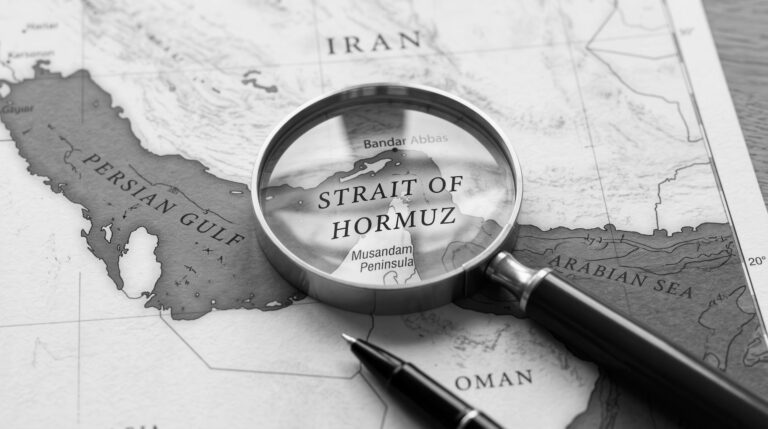
Recent security incidents affecting commercial shipping have once again highlighted the vulnerability of global maritime routes. Strategic chokepoints such as the Red Sea, the Strait of Hormuz and the Suez Canal remain critical to the functioning of global trade.
Disruptions in these corridors, whether caused by geopolitical tensions, security incidents or regulatory measures, can have immediate and far-reaching consequences. Shipping delays, rerouting of vessels and increased insurance costs are already affecting global supply chains.
For organisations reliant on international logistics, maritime security is no longer a distant geopolitical concern but an operational reality.
Why It Matters
A significant portion of global trade passes through a limited number of maritime chokepoints. Any disruption, even if temporary, can create ripple effects across supply chains, energy markets and financial systems.
Increased risk in maritime corridors often leads to:
- higher transport costs
- longer delivery times
- increased insurance premiums
- reduced predictability in logistics planning
These factors can affect not only shipping companies but also manufacturers, energy providers and financial markets.
Risk Outlook
While short-term disruptions may be managed through rerouting and contingency planning, sustained instability in key maritime regions could lead to structural changes in global trade patterns.
Companies operating internationally should closely monitor developments affecting critical shipping routes and assess their exposure to potential disruptions.
Key Watch Points
• Security developments in major maritime corridors
• Changes in shipping routes and transit times
• Insurance cost fluctuations for high-risk areas
• Government and military responses in key regions
Prepared by The Mentors